Contemporary Thai Yoga Massage
A movement-based approach to bodywork, rooted in traditional Thai medicine
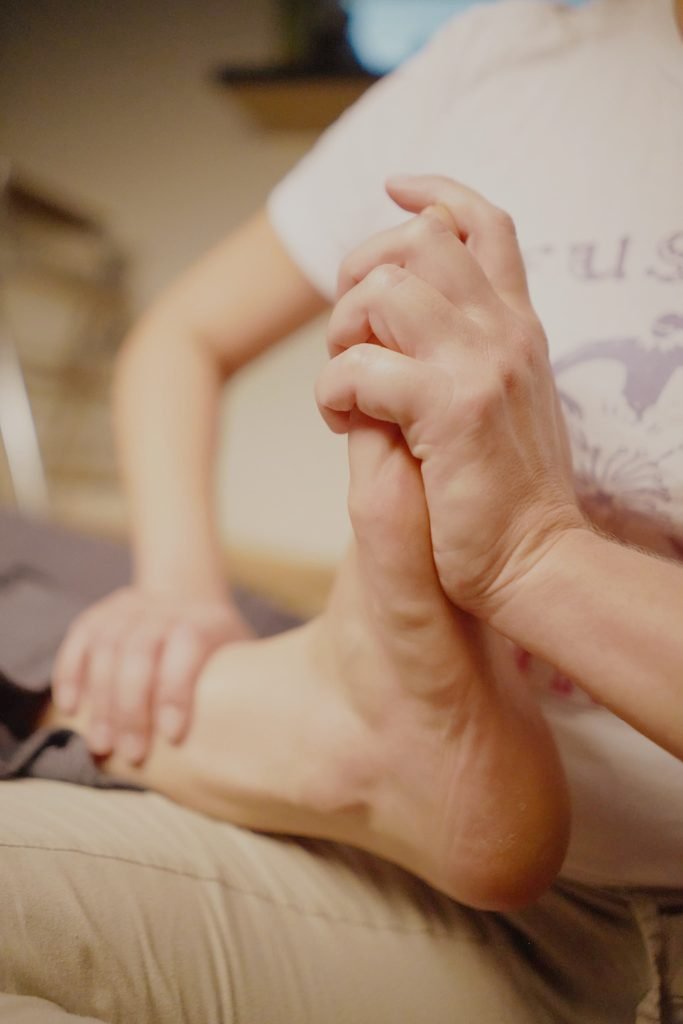
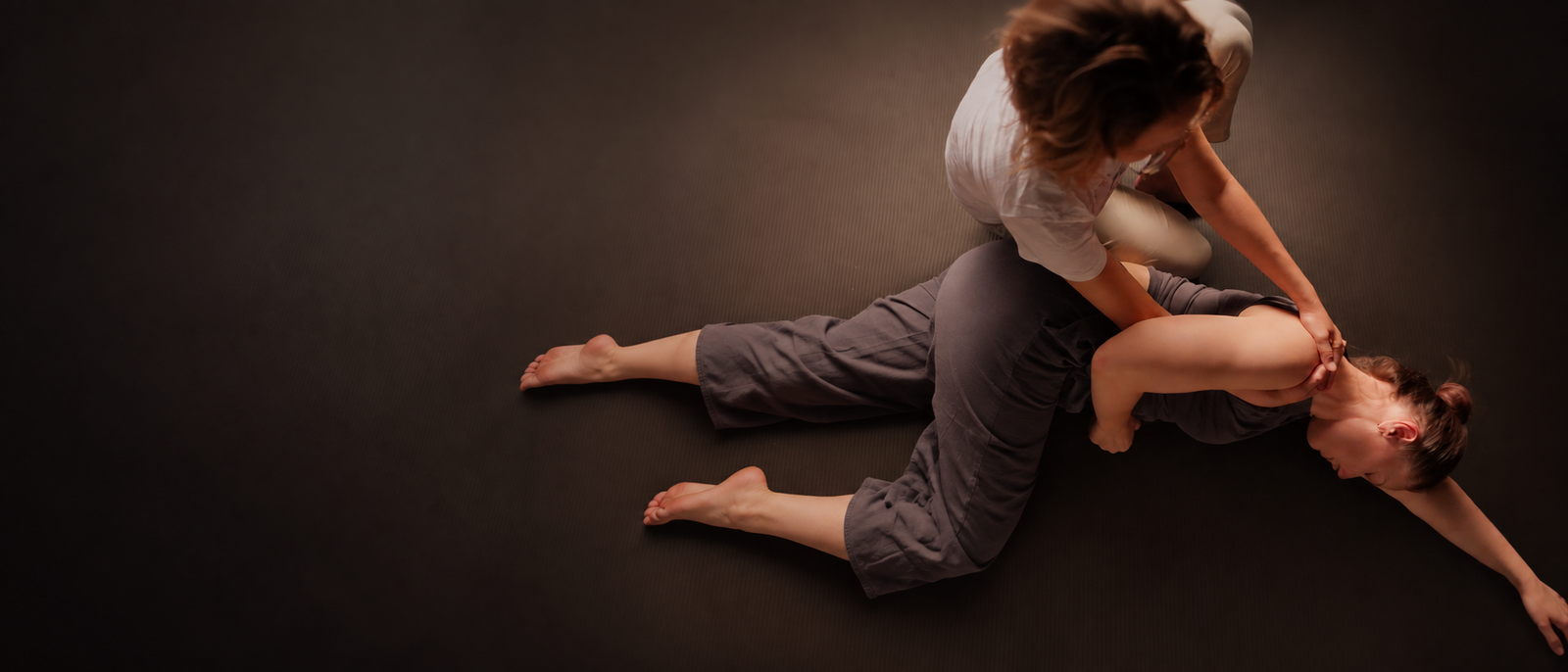
Thai Yoga Massage brings together pressure, rhythmic compression, assisted movement, stretching and touch in a full-body practice.
Sessions take place fully clothed on a comfortable floor mat and are adapted to you — how you are feeling that day, what you tell me, and how your body responds.
Rather than following a fixed routine, I work with the body as a whole, moving between stillness and movement, softness and intensity, pressure and release.
Practice with deep roots
Thai Yoga Massage is part of Thailand’s traditional system of medicine and has been practiced for centuries. In 2019, UNESCO recognized Traditional Thai Massage as an Intangible Cultural Heritage of Humanity, acknowledging its cultural significance and the way knowledge has been passed down through families, communities, educational institutions, and healthcare traditions.
Traditionally, Thai massage is viewed as a holistic approach to supporting wellbeing, combining physical techniques with principles from traditional Thai medicine and an emphasis on balance in the body.
What happens during a Thai Yoga Massage?
A full-body session genuinely adapted to you
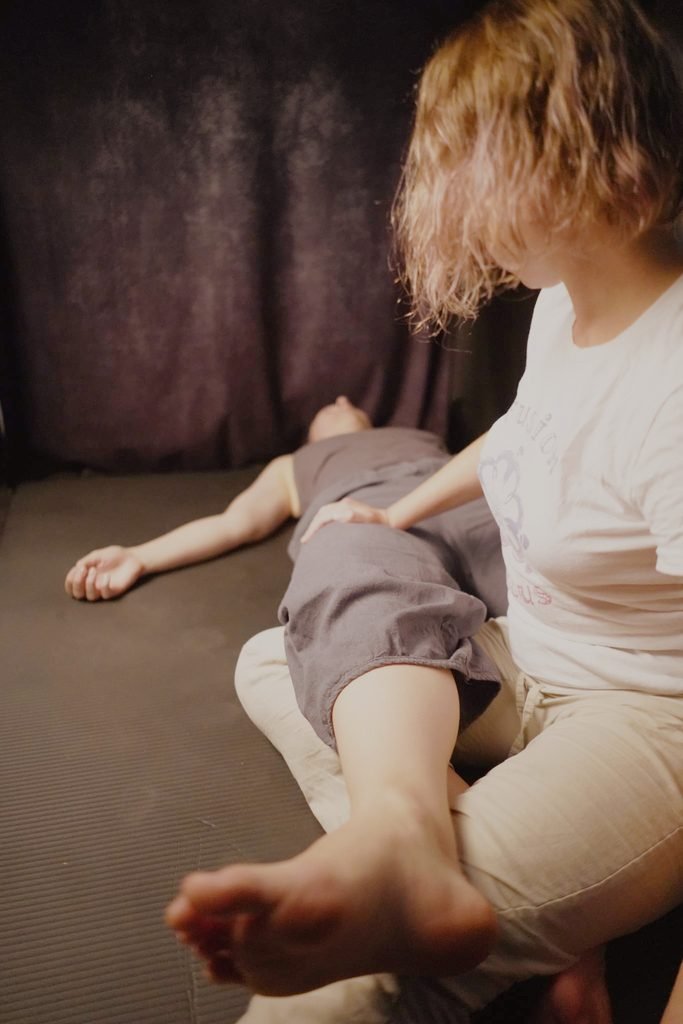
Unlike table massage, Thai Yoga Massage usually takes place on a floor mat. You remain fully clothed in comfortable clothes that allow you to move easily.
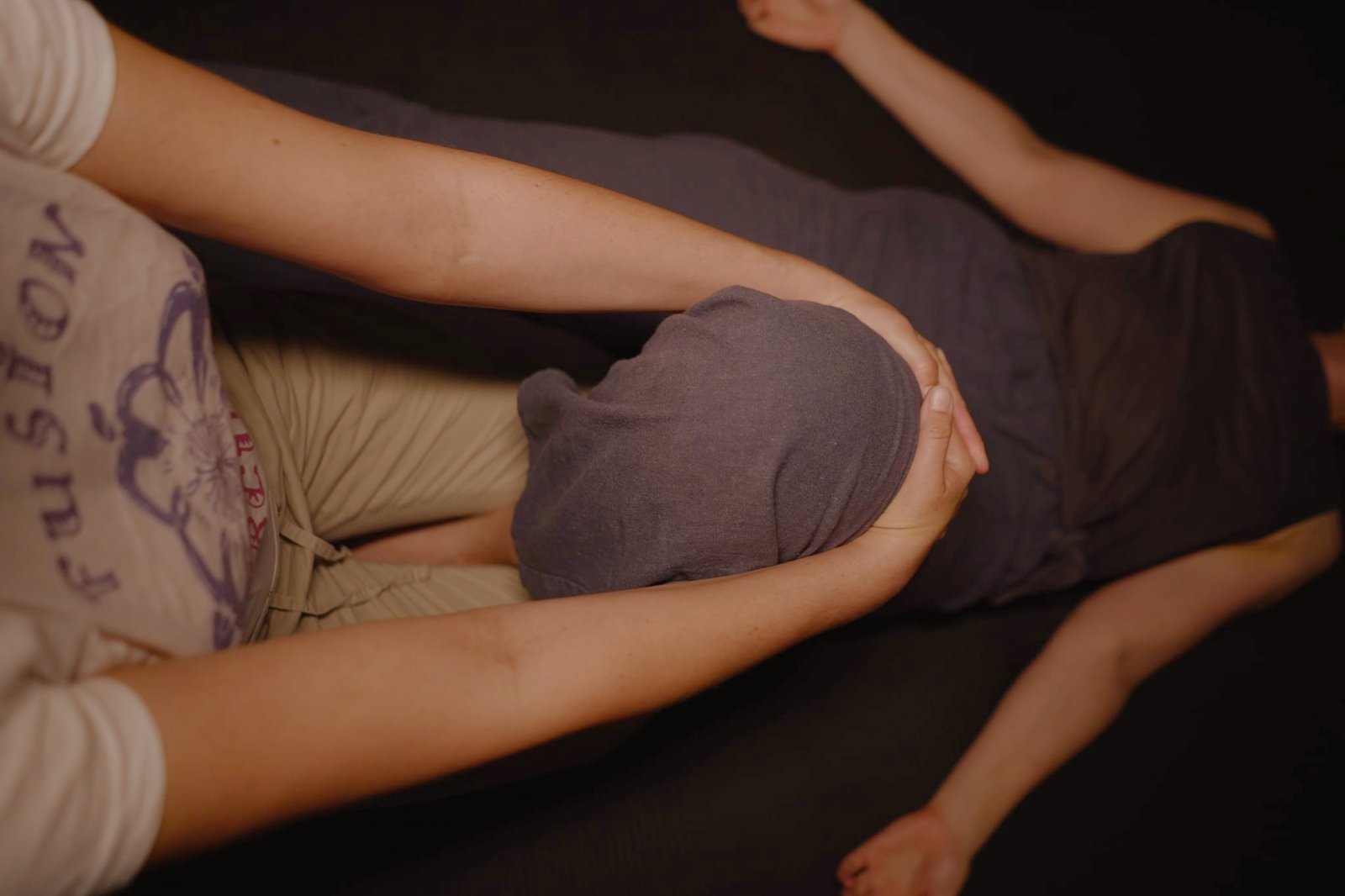
A session can include rhythmic compression, assisted stretching, joint mobilisation, rocking, pressure and guided movement.
But it isn’t a sequence that I simply perform on your body.
I listen to how your body responds and adjust the pressure, position, rhythm and intensity as we go. Some moments may be quiet and subtle; others may involve stronger pressure or larger movements.
You don’t need to be flexible, and intensity never means pushing through pain.
More than physical techniques
For me, Thai Yoga Massage also has an energetic dimension.
Traditional Thai practice works with sen — pathways through which energy is understood to move through the body. I don’t treat this as something that needs to be scientifically proven or translated into Western anatomical language in order to work with it.
It gives me another way of paying attention: to rhythm, flow, connection, balance and the quality of contact between practitioner and receiver.
Alongside technique, I value the traditional principles of metta (loving-kindness) and karuna (compassion).
They translate into something very practical in a session: attention, care, communication and respect for your boundaries.
What does research say?
Thai massage has increasingly been studied alongside massage and other forms of touch-based bodywork.
Research has explored its relationship with experiences such as relaxation, stress, pain and mobility, although the evidence varies considerably depending on the population, technique and study design.
If you’re a bit of a nerd about the science of relaxation like I am, you might enjoy digging into some of the research below.
- A large 2024 systematic review and multivariate meta-analysis of over 130 studies found that touch-based interventions, including massage and other structured forms of therapeutic touch, are associated with measurable benefits for both mental and physical well-being (Packheiser et al., 2024). The strongest and most consistent effects were reductions in pain, anxiety, and depressive symptoms across a wide range of populations and settings. Evidence also suggests that therapeutic touch may help lower physiological stress markers, including cortisol, although results vary depending on context and method. These benefits were observed in both clinical care and everyday wellness settings, highlighting the broad relevance of touch for human health.These findings support the growing evidence that structured, consensual touch therapies like Thai massage may help support both body and mind.
- Chompoopan et al. (2024) conducted a randomized controlled trial examining traditional Thai massage as an adjunctive therapy in patients with major depressive disorder who were receiving antidepressant medication. The study found that participants receiving Thai massage showed a statistically significant reduction in depression severity scores compared to the control group, along with improvements in quality of life measures. Secondary outcomes also indicated reductions in blood pressure and improvements in perceived wellbeing.
- Sripongngam et al. (2015) investigated the immediate effects of Traditional Thai Massage on stress in healthy adults. Participants received either a one-hour Thai massage session or a period of rest following a stress-inducing task. The researchers found that Thai massage was associated with a greater reduction in a biological marker linked to stress compared to rest alone. The findings suggest that Thai massage may help support relaxation and the body’s natural stress-regulation processes.
- Peungsuwan et al. (2014) reported improvements in pain, walking ability, and quality of life among older adults with knee osteoarthritis following interventions combining Thai massage and exercise.
- Similarly, Chiranthanut et al. (2014) found that Thai massage combined with herbal compress therapy produced outcomes comparable to oral ibuprofen in individuals with knee osteoarthritis over a short-term intervention period.
- In addition to these individual clinical trials, a broader evidence base has been synthesized in systematic reviews. Keeratitanont et al. (2015), in a systematic review published in Complementary Therapies in Clinical Practice, examined controlled trials on traditional Thai massage for chronic pain. Across six included studies, the authors reported consistent pre- to post-treatment reductions in pain intensity ranging from approximately 25% to 80%. Improvements were also observed in related domains such as muscle tension, flexibility, anxiety, disability, and treatment satisfaction. Some studies included in the review also suggested potential physiological effects, including changes in heart rate variability, EEG patterns, and biochemical markers associated with pain perception.
Is Thai Yoga Massage for me?
Thai Yoga Massage may suit you if you’re looking for full-body bodywork with movement, pressure and an emphasis on deep relaxation.
You don’t need previous experience with massage, yoga or somatic practices, and you don’t need to be flexible.
If you’re curious but aren’t sure whether Thai Yoga Massage, Kobido or the relaxing face, head & neck massage would suit you better, tell me what you’re looking for and I’ll help you choose.
⌖ Sessions in Etterbeek, Saint-Gilles or at your home in Brussels.
atworkagnieszka@gmail.com